Your First Steps
A practical, no-fluff guide to buying, storing, and securing your first Bitcoin. We cover what matters and skip what doesn't.
The Process
Before you buy anything, take a little time to understand what Bitcoin actually is and why it works the way it does. You don't need a computer science degree. You just need enough understanding to make decisions you're comfortable with.
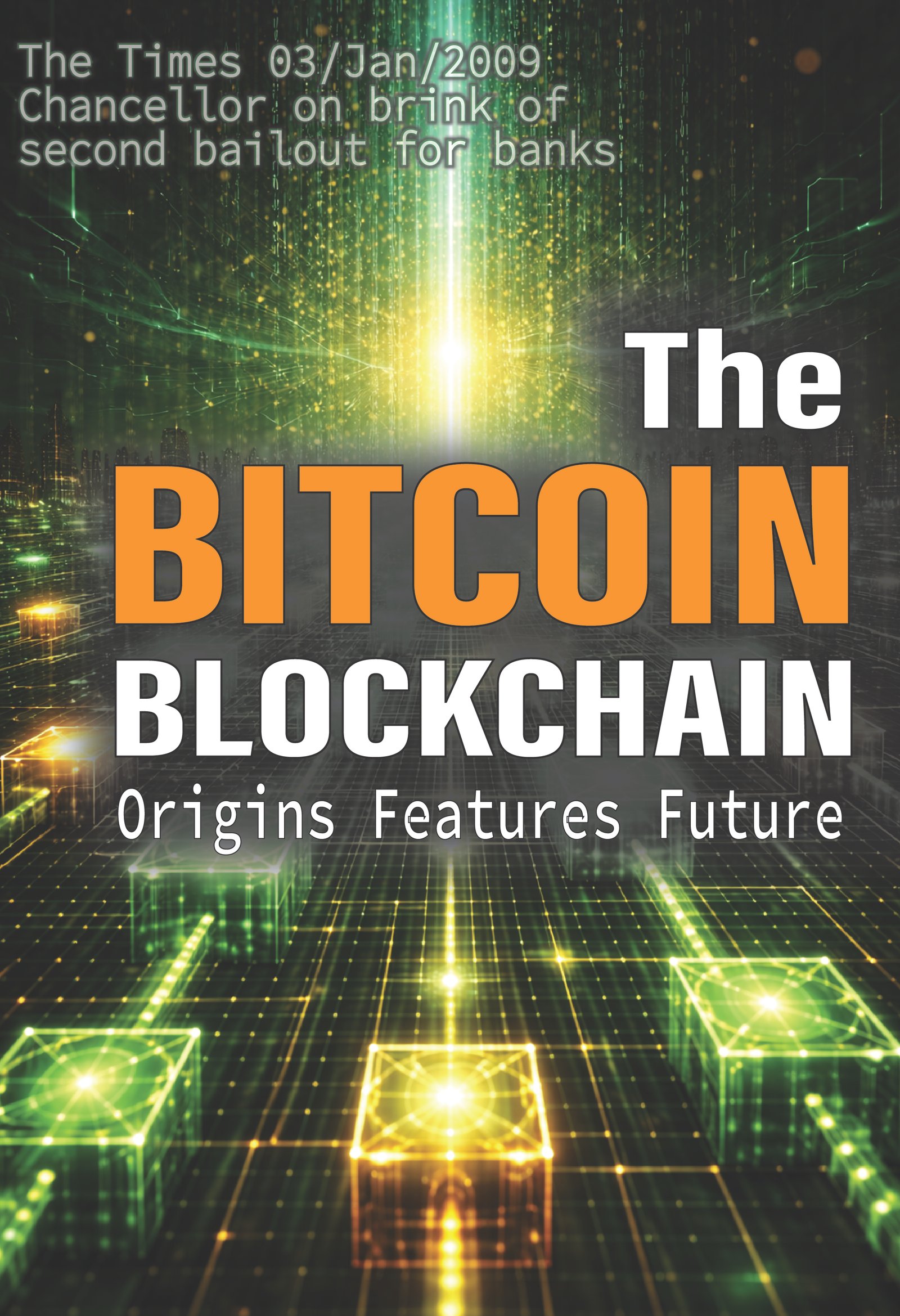
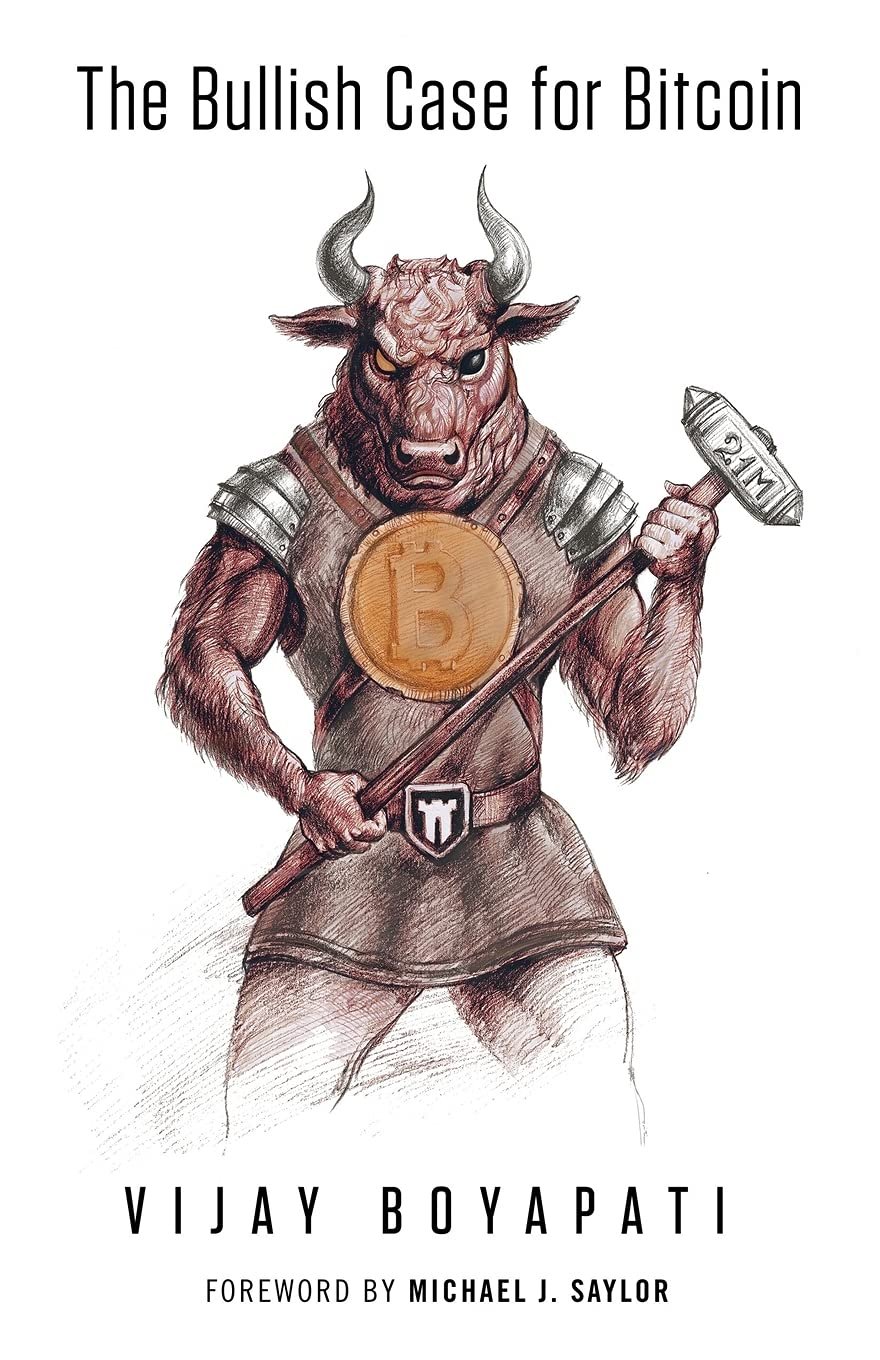
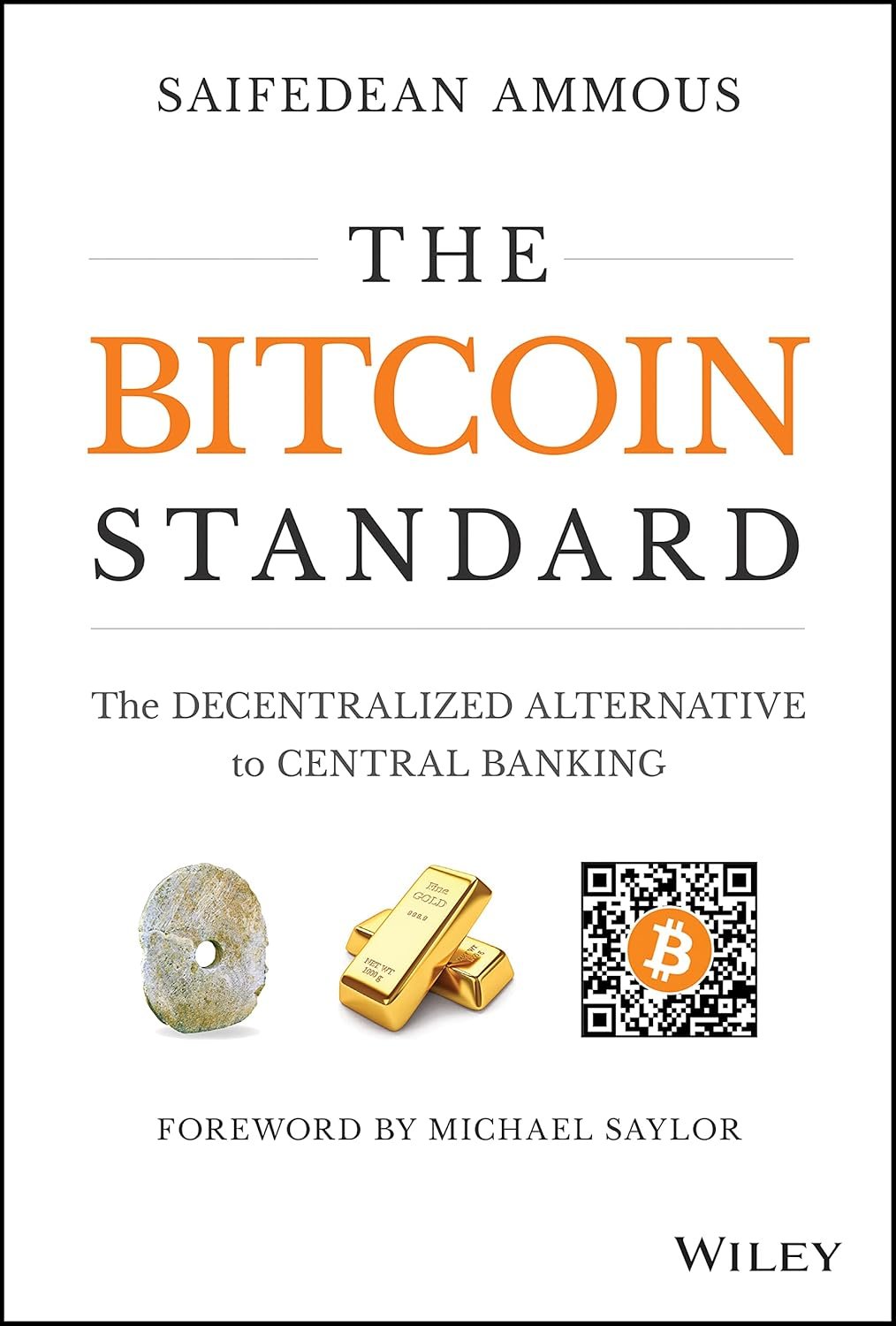
Our What is Bitcoin page is a good place to start. For a deeper foundation, the two books below are the best we've found.
You'll need to use an exchange to buy your first Bitcoin. Not all exchanges are equal. Look for ones that are Bitcoin-focused, US-based, and have a clean track record. A few our community trusts:
Bitcoin only. Clean interface. Strong security. One of the most trusted in the space. Great for recurring purchases.
Bitcoin only. Built around the idea of regular stacking. Good for setting up automatic buys over time.
Easy to use, low fees, and built on the Lightning Network. Good starting point for new users.
Avoid
Robinhood, PayPal, and similar apps let you "buy Bitcoin" but you don't actually own it. You own an IOU. Until you control your own keys, you don't truly own Bitcoin.
You don't need to buy a whole Bitcoin. Bitcoin is divisible into 100 million units called satoshis. Most people start with whatever they're comfortable losing -- $50, $100, $500. Get familiar with the process before you go bigger.
This is the most important step and the one most beginners skip. When your Bitcoin sits on an exchange, the exchange controls it. If they get hacked, go bankrupt, or freeze your account -- your Bitcoin is gone. This has happened. It will happen again.
"Not your keys, not your coins" is not just a saying. It's the whole point.
Moving your Bitcoin to a wallet you control is called self-custody. Start by learning about software wallets like Sparrow Wallet or Blue Wallet. Both are free, open source, and beginner-friendly.
Important
When you set up a wallet you will be given a seed phrase -- usually 12 or 24 words. Write it down on paper. Store it somewhere safe. Never store it digitally. Never photograph it. This is your Bitcoin. If you lose this phrase and lose access to your wallet, your Bitcoin is gone forever.
Once you have a meaningful amount of Bitcoin, a hardware wallet is the next step. A hardware wallet is a physical device that stores your private keys offline, away from the internet and away from hackers.
Popular options our community recommends include the Coldcard, Trezor, and Foundation Passport. We'll have specific links and mini-reviews in our Resources section soon.
Bitcoin rewards curiosity. The deeper you go, the more it makes sense. Listen to the podcasts on our Podcast page, read the books below, and come to a meetup. The best resource is a community of people who are further along than you and willing to answer questions.
Keep These In Mind
If someone else holds your Bitcoin, they control your Bitcoin. Self-custody is not optional for serious holders.
Write it down. Store it offline. Never share it. Never type it into any website. Anyone who has it controls your Bitcoin.
Bitcoin is volatile. Do not put money in that you need next month. Think in years, not days.
We share what works for us. But you need to make decisions you understand and are comfortable with. Nobody here is your financial advisor.
Price predictions, Twitter drama, influencer picks -- most of it is noise. Focus on understanding the fundamentals and let the short-term volatility wash over you.
That's what our meetups are for. No question is too basic. Everyone started somewhere and we all had the same beginner questions.
Sponsored
Two books we genuinely recommend. One is the community standard. One is written by one of our own.
The best place to get started is in person with people who have already done it. No judgment, no gatekeeping. Just real answers from people who get it.